
How to Choose a Facial Plastic Surgeon: 10 Questions That Actually Matter

10 Questions To Ask A Facial Plastic Surgeon That Actually Matter
Choosing a facial plastic surgeon is a deeply personal decision. For many patients, it comes at a moment when they feel vulnerable, uncertain, or overwhelmed by conflicting information. Credentials, before-and-after photos, and marketing language can blur together, making it difficult to know what truly matters.
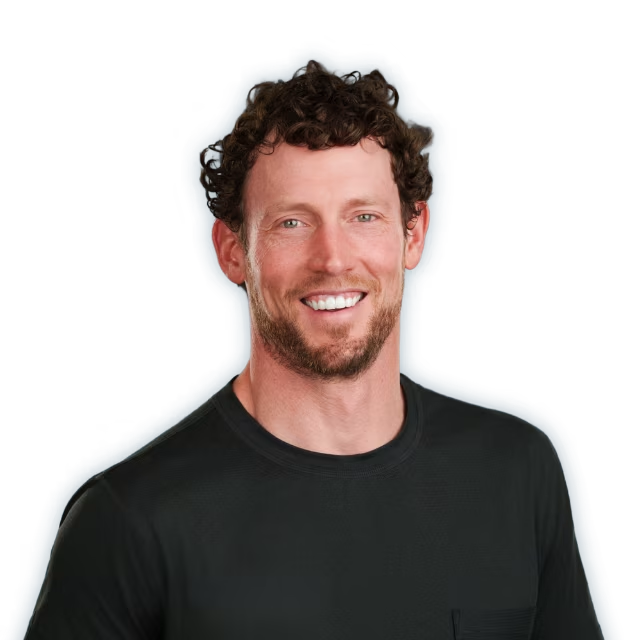
In Dr. Cameron Chesnut’s experience, the most confident patients are not those with the fewest questions, but those who ask the right ones. A thoughtful consultation should feel collaborative and educational, not rushed or transactional. The questions you ask can often reveal far more about a surgeon’s training, philosophy, and priorities than any single title or claim.
Read: Common Questions Patients Ask Before Surgery at 5C
Below are questions designed to help you evaluate a surgeon’s training, safety standards, and long-term care. A qualified surgeon should welcome every one of them, including the difficult ones, and answer them plainly.
Training and Credentials
1. Which board certifies the surgeon, and what did that training focus on?
Board certification confirms that a physician completed an accredited residency and passed rigorous examinations in a specific specialty. It is an essential baseline. On its own, though, it doesn’t tell you how much of that training centered on the face.
Several specialties train surgeons to operate on the face, including plastic surgery, otolaryngology (facial plastic surgery), ophthalmology (oculoplastic surgery), and dermatology (dermatologic and micrographic surgery). Each approaches facial anatomy from a different starting point, whether that’s the body as a whole, the structures of the head and neck, the eyelids and orbit, or the skin and its layered reconstruction.
Ask which board certified your surgeon, whether it is a member board of the American Board of Medical Specialties (ABMS), and how that training applies to the procedure you’re considering. Then look at it alongside the surgeon’s fellowship and education, training, and experience.
2. Has the surgeon completed fellowship training focused on the face?
Fellowship training is advanced, highly focused education completed after residency. For facial surgery, it is often where a surgeon develops refined technique, judgment, and subspecialty expertise specific to the face and neck.
Fellowships are not equivalent, so the details matter. Ask where the fellowship was completed, which disciplines it drew on, which procedures it emphasized, and whether the surgeon now trains other physicians. Surgeons who teach fellows are open to scrutiny from the people they train every day, and that tends to keep technique and judgment current.
3. How much of the surgeon’s practice is dedicated to the face and neck?
Facial surgery requires a close understanding of facial anatomy, balance, and healing. Surgeons who focus primarily or exclusively on the face and neck develop a level of precision and pattern recognition that comes from repetition over years.
Ask whether facial surgery is a small part of a broader practice or the surgeon’s central focus, and roughly how many of your specific procedure they perform each year. Specialization plays a meaningful role in both safety and aesthetic judgment, especially when you’re weighing your own needs and goals for surgery.
Experience and Surgical Philosophy
4. How often does the surgeon perform the procedure I am considering?
Experience matters, particularly with procedures that involve nuanced anatomy and long-term healing. Patients should feel comfortable asking how frequently a surgeon performs the specific procedure they are considering, not just cosmetic surgery in general.
Repetition builds familiarity, efficiency, and the ability to anticipate subtle variations between patients. A surgeon who regularly performs a procedure is more likely to recognize early warning signs, adapt techniques thoughtfully, and set realistic expectations.
5. How does the surgeon approach facial harmony rather than isolated features?
One of the most common reasons patients feel dissatisfied with cosmetic surgery is that a single feature was treated without considering the face as a whole. Facial harmony refers to how the eyes, brows, cheeks, jawline, and neck relate to one another, both at rest and in motion. This philosophy is especially important for procedures like facelifts and eyelid surgery, where balance matters more than isolated change.
Patients may want to ask whether a surgeon evaluates the entire face when making recommendations, and how they decide when multiple areas should be addressed together. A comprehensive approach is often what allows results to appear natural rather than obvious.
6. Will my surgical plan be customized to my anatomy and goals?
No two faces age in exactly the same way. A thoughtful surgical plan should be built around an individual’s anatomy, skin quality, medical history, and personal goals, rather than a standard template.
During a consultation, patients should feel that their concerns are being heard and that recommendations are explained clearly. A surgeon should be able to articulate why certain procedures are suggested and how they work together to achieve a balanced result.
Safety, Facilities, and Long-Term Care
7. Where will my surgery be performed, and is the facility accredited?
Surgical safety depends not only on the surgeon, but also on the environment in which surgery is performed. Accredited surgical facilities are held to strict standards for equipment, staffing, emergency preparedness, and infection control.
Patients should ask where their surgery will take place and whether the facility is accredited by a recognized governing body. Transparency around these details is a key marker of a safety-focused practice.
8. Who provides anesthesia, and how is it monitored?
Anesthesia plays a critical role in both comfort and safety. Patients may want to ask who will be administering anesthesia, what credentials they hold, and how vital signs are monitored throughout the procedure.
Clear communication around anesthesia protocols helps patients feel informed and reassured, and it reflects a coordinated, professional surgical team.
9. How does the surgeon plan for complications or unexpected findings?
Even in the best circumstances, surgery carries inherent risk. Experienced surgeons plan not only for ideal outcomes, but also for how they will respond if something unexpected arises.
Patients can gain insight from asking how complications are managed, how concerns are addressed after surgery, and what systems are in place to ensure continuity of care. Calm, direct answers to these questions often reflect experience and preparation.
10. What kind of post-operative support will I have?
Recovery does not end when surgery is complete. In fact, a recovery plan, follow-up care, accessibility, and guidance during healing all contribute to both safety and satisfaction.
Patients should ask what kind of support is available after surgery, how follow-up visits are handled, and who to contact with concerns. A practice that prioritizes long-term care often views surgery as a process rather than a single event.
Closing Thoughts
Choosing a facial plastic surgeon is not about finding the right message, but about finding a surgeon whose training, experience, and values align with your needs and goals. The right surgeon will welcome thoughtful questions, answer them clearly, and support you in making an informed decision. For many patients, reviewing common questions and consultation details ahead of time helps them feel more confident and prepared.
Feeling heard, respected, and educated during the consultation process is often one of the strongest indicators that you are in the right place.